California Map: A Designer’s Review for Real Projects
As an experienced embroidery designer and product reviewer, I’ve tested hundreds of machine embroidery designs. Some are overly complex, destined to be a thread-break nightmare. Others are too simple, lacking any visual payoff. The California Map embroidery design sits in a sweet spot. It’s a clean, recognizable outline that promises a lot of creative mileage. Let’s break down how it performs in the real world—on the hoop, on the product, and in the hands of a customer.
First Impressions: The Power of a Clean Outline
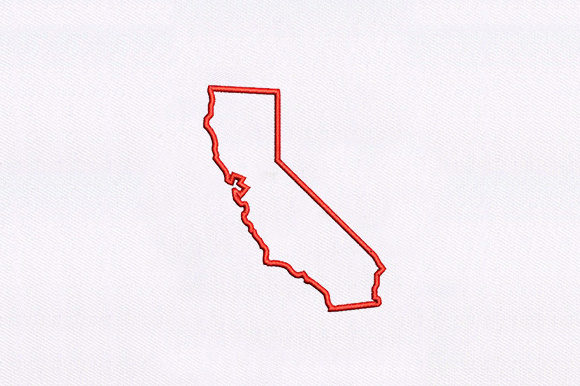
The California Map is exactly what I look for in a state outline. It’s a machine embroidery design that relies on the inherent strength of its geometry. The shape is iconic, and the design respects that. It presents itself as a cool embroidery outline that is indeed fun and easy to stitch. The mood is versatile—it can be minimalist, patriotic, or nostalgic. Because it falls under the Independence Day category, it naturally evokes a sense of Americana, but I can easily see it working for a travel blog’s merchandise or a local California boutique. The lack of excessive internal detail means it reads clearly from a distance, which is a huge advantage for custom apparel and small shop product lines.
Real Case Scenario: From Tote Bags to Sweatshirts
Let’s imagine a practical project. You run a small craft business on Etsy, and a customer wants a personalized tote bag design featuring their home state. You pull up the California Map embroidery file. The hoop size is accommodating, allowing you to position it perfectly on a standard canvas tote. The stitch density is low because it’s an outline, which means the fabric texture of the canvas won’t be overwhelmed. This is a fast-stitching design, which means higher efficiency for your shop.
Alternatively, think about sweatshirt embroidery. A chunky satin stitch version of this map adds a premium, boutique feel to a high-end sweatshirt. For a baby embroidery project, a small version on a bib or onesie makes for a thoughtful personalized gift. The design scales well because it isn’t cluttered with tiny, breakable details. I’ve also seen it used effectively as an embroidered patch on a denim jacket, combining the outline with a fill stitch in team colors. For the Etsy seller or small shop product creator, this is a huge advantage. You can stitch it out quickly, maintain quality, and offer variations without complex digitizing.
Technical Performance: Stitch Types, Density, and Fabric Choices
How does it actually stitch out? Based on the provided information, this machine embroidery design comes with multiple embroidery file formats, which is crucial for compatibility across different machines. The design is primarily an outline, so I would recommend testing it with a satin stitch for a bold, plush look, or a running stitch for a more delicate, sketched aesthetic. The stitch density is naturally low, which prevents the fabric from puckering and keeps the project lightweight.
- Stabilizer Strategy: For stable fabrics like denim or canvas, a standard tear-away stabilizer works well. For stretchy knits or performance fabrics used in custom apparel, use a cutaway stabilizer to prevent the embroidery project from distorting over time.
- Thread Colors: This is where you can get creative. A single color (like a deep gold or navy) is classic. For the Independence Day theme, using a red outline on a white base, or white on a blue base, creates a festive look without needing multiple thread changes.
- Hoop Size: The design fits comfortably in a standard 4x4 or 5x7 hoop. Always check the exact dimensions in your digital embroidery file before hooping, especially if you are adding custom text or coordinates to make it a personalized gift.
- Finish Quality: Because it’s a simple outline, the risk of broken threads is low. This makes it an excellent choice for commercial embroidery settings where production speed and reliability are critical.
Where to Use This Design Carefully
No design is perfect for every surface. The California Map is an outline, so its strength is also its point of fragility. Understanding these limitations will save you from wasted stabilizer and frustration.
- Highly Textured Fabrics: On thick fleece, heavy towels, or very nubby linens, an outline stitch can get lost or look uneven. The fabric texture needs to be smooth enough to show the crispness of the line. If you must use it on a towel, consider adding a water-soluble stabilizer on top.
- Very Small Hoops: If you are using a 2x2 hoop, the map might be clipped or too small to read effectively. The coastal details and the border shape require a minimum size to remain recognizable. Consider a larger hoop size or a simplified version of the design if working with tiny garments.
- Curved Surfaces: Applying a map outline to a curved cap brim or a tight beanie requires careful placement and a sturdy stabilizer to avoid puckering. I recommend using a stiff cutaway and a floating method to ensure the outline stays crisp.
- Dark Fabrics Without Contrast: Because it’s an outline, contrast is key. A bright thread like gold, white, or neon on a dark background will pop beautifully. A dark thread on a dark background, however, will disappear entirely. Test your thread colors on a scrap of the actual fabric to confirm visibility.
Commercial Value and Customer Appeal
For the apparel decorator or handmade product seller, this design is a solid commercial asset. It has a high perceived value because it’s trendy and customizable. A customer sees a clean embroidered patch or a custom apparel item with a state map and immediately recognizes the quality. It feels like a boutique product, not a mass-produced decal.
It works beautifully as a design asset for printable mockups on your Etsy shop. You can create a mockup of a sweatshirt with the California Map, and it looks professional and appealing. The stitching clarity is what sells the finished product. Whether you are making holiday embroidery gifts for friends or stocking your booth at a craft fair, this map commands attention without being overly complex. It also pairs wonderfully with text, making it perfect for personalized gifts like “California Family” or “Est. 2020” designs.
Practical Designer Notes Before You Stitch
Before you load this design into your machine and start hooping, here are a few practical steps to ensure a flawless result. These are the habits that separate a hobbyist from a professional craft business owner.
- Test on Scrap Fabric: Always stitch out the machine embroidery design on a scrap piece of the exact fabric you plan to use. This verifies the stitch density, thread tension, and overall look. Do not skip this step for commercial projects.
- Check Licensing: Since this is for commercial use, confirm the licensing terms of the embroidery file. Can you sell the finished product? Can you use it as a digital embroidery file for print-on-demand? Knowing this protects your craft business and your reputation.
- Match the Mood: Are you going for a rustic look (use a thick, textured thread) or a sleek modern look (use a fine rayon thread)? The California Map adapts to both. I recommend testing it in a solid black thread first to see the pure geometry.
- Inspect the Outline: Ensure the outline is continuous and clean. A broken outline in a state map can look like a mistake. If you are using an applique design, check the placement tack-down stitch carefully to ensure the fabric is perfectly aligned.
- Consider Underlay: For fabrics that tend to shift, adding a small underlay stitch (like a center walk) will stabilize the area and keep the outline crisp. This is especially important for satin stitch outlines.
Final Verdict for the Craft Business Owner
The California Map is a reliable, versatile, and commercially viable embroidery project. It bridges the gap between a simple hobby project and a professional small shop product. It’s fun to stitch, looks great on a variety of items, and offers a high return on investment for the time you spend hooping. Whether you're making a holiday embroidery gift for a Californian friend or stocking your boutique with trendy tote bag designs, this outline is a smart addition to your library.
Just remember to respect the fabric texture, choose the right stabilizer, and test your thread colors for contrast. Do that, and this design will stitch out beautifully every time, enhancing your brand consistency and keeping your customers coming back for more.