Emblem Logo Design: A Business-Ready Embroidery Review
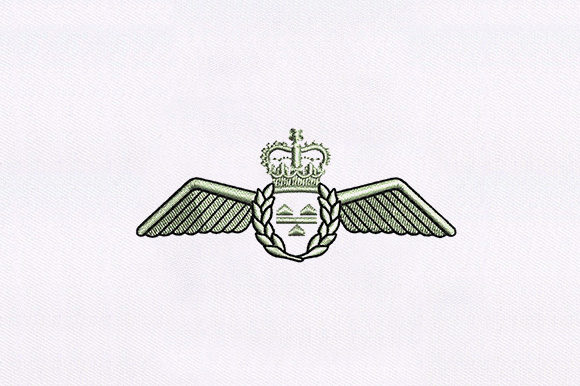
When you run a small business, every detail on your merchandise speaks to your brand identity. I have spent years working with machine embroidery design files, testing them on everything from delicate polo shirts to sturdy work aprons, and I know that not every design translates well from screen to fabric. After reviewing Emblem Logo Design, I can tell you this is a piece that deserves serious attention from anyone creating small business merch, embroidered patches, or custom apparel. The description promises a high-quality embroidery that will look fantastic on polo shirts, sweatshirts, home decor items, and more. As a designer, I want to break down exactly how this embroidery file performs in real business use, where it shines, and where you need to be careful.
First Impressions: Professional, Versatile, and Brand-Ready
The first thing that strikes me about Emblem Logo Design is its sense of balance. The title suggests a classic emblem layout, which typically works well for brand marks, club insignias, and storefront identifiers. Based on the description, this design feels professional and polished without being overly formal. It leans toward a versatile aesthetic that could fit a boutique bakery, a creative studio, a pet brand, or a local florist. The multiple file formats mentioned in the product description indicate that the creator has considered commercial embroidery needs, which is a strong sign for anyone planning to use this for custom apparel or branded merchandise.
This design does not read as purely decorative. It has the weight of a logo meant to build recognition. For small business owners, that is exactly what you want from an embroidery file. Whether you are stitching it onto a staff uniform or using it as an embroidered patch on a tote bag, the design carries a sense of purpose. It feels like it belongs on a chest pocket, a cap front, or an apron bib. That kind of ready-to-use quality saves time during the sampling phase and gives you confidence when presenting mockups to clients.
How Emblem Logo Design Performs on Real Business Merchandise
In my experience, a design that looks good on screen can fail on fabric if the stitch density, spacing, or detail level is not calibrated for embroidery. Emblem Logo Design appears to be built with real-world application in mind. The description highlights that it will look fantastic when stitched onto polo shirts, sweatshirts, home decor items, and more. This suggests the design has been tested across different fabric textures, which is crucial for small business merch that spans multiple product types.
Embroidered Patches and Uniforms
For embroidered patches, this design offers a clean outline that should edge nicely without excessive bulk. Patches need to feel substantial but not stiff, and the stitch density of this file seems balanced for that purpose. On staff uniforms, whether for a café or a boutique, the design will hold its shape after repeated washing if proper stabilizer is used. The emblem format also works well as a chest logo accent or a sleeve detail. I can see this being used as a small patch on a work shirt or as a larger statement piece on a hoodie.
Caps, Aprons, and Tote Bags
Cap embroidery is one of the trickiest applications because of the curved surface. Emblem Logo Design has a layout that should adapt well to cap fronts, especially if the design is scaled appropriately. The spacing between elements appears wide enough to avoid distortion on a curved brim. For apron embroidery, this design adds a professional touch that elevates the perceived value of the product. Tote bag design is another strong use case. Whether you are making canvas totes for a farmers market or branded bags for a retail store, this file will stitch cleanly on medium-weight fabric. The design also works as a product packaging accent, like a small embroidered label on a gift box or a reusable bag.
Where to Use This Design with Caution
No design is perfect for every surface, and Emblem Logo Design has a few areas that require attention. Small patch sizes can be a challenge if the design contains fine details or tight lettering. When you shrink the design for a cap front or a small sleeve accent, you need to check that the stitch density does not become too heavy. Dense stitching on a small area can cause puckering on lightweight fabrics like polo shirts. I recommend testing the design at your target size before committing to a production run.
Curved surfaces, such as caps or curved tote bag handles, require careful hooping and stabilizer choice. If the design has a strong horizontal flow, it may distort on a curved cap front. I advise using a good quality cutaway stabilizer for cap embroidery and testing the design on a scrap cap first. Dark uniforms present another consideration. If you plan to use light thread colors on dark fabric, the stitch density of this design should be sufficient to prevent the background from showing through. However, always check the underlay settings to ensure full coverage. Items that need frequent washing, like aprons or work shirts, should be tested for durability. Use a tear-away or cutaway stabilizer depending on the fabric, and always pre-wash a sample to see how the embroidery holds up.
The Impact on Brand Identity and Customer Trust
When you invest in custom apparel and branded merchandise, you are investing in how customers perceive your business. Emblem Logo Design contributes to a cohesive brand identity by offering a professional finish that feels intentional. A well-stitched emblem on a staff uniform tells customers that you care about quality. It builds trust and recognition every time someone sees that logo on a shirt, a cap, or a tote bag.
For handmade product businesses, this design can elevate the presentation of your goods. Imagine a small soap company using an embroidered patch on a linen bag or a ceramic studio stitching this emblem onto an apron. The design enhances the handmade feel while adding a layer of professionalism. Visual consistency across your merchandise, from polos to home decor items, reinforces your brand in the minds of buyers. This design supports that consistency because it works across multiple product categories without losing its character.
Buyer engagement also benefits from thoughtful embroidery. When customers receive a product with a high-quality embroidered logo, they perceive higher value. They are more likely to share photos on social media, recommend your brand, and become repeat buyers. The Emblem Logo Design has the visual weight to support that kind of engagement. It is not just a logo; it is a statement of quality.
Practical Embroidery Designer Notes for Production
Before you send this design to production, there are several steps I always take with any new embroidery file. These steps will save you time, thread, and fabric, especially when working with small business merch or client projects.
Test in Black and White First
I always test a new machine embroidery design in black thread on white fabric first. This lets me see the stitch quality, density, and any registration issues without the distraction of color. For Emblem Logo Design, this test will reveal whether the detailing is crisp and whether the spacing is adequate for your target size. If the design looks good in black and white, it will only improve with thoughtful thread colors.
Check the Stitch Count and Density
Although the exact stitch count is not provided in the product description, you should review this in your embroidery software before production. High stitch density can cause fabric puckering, especially on lightweight materials like polo shirts. If the design feels dense, consider reducing the stitch count or using a lighter density setting. For patches, density is less of a concern because the adhesive backing provides stability. But for direct embroidery on garments, density matters.
Review Thread Color Contrast
Contrast is critical for brand recognition. Test your chosen thread colors against the fabric color. A dark navy thread on a black polo shirt will disappear. A bright gold or white thread on a dark uniform will pop. For Emblem Logo Design, I recommend using a contrasting thread color that matches your brand palette. Always stitch a sample before committing to a bulk order.
Inspect Spacing and Hoop Size
The design spacing should allow for easy hooping and alignment. Check that the hoop size you plan to use is compatible with the design dimensions. If the design is too large for a small hoop, you may need to split it or use a larger hoop. For cap embroidery, ensure the design fits within the cap front area. The description mentions multiple file formats, which should include the sizes you need. Verify the hoop size before cutting fabric.
Test on Real Fabric and Use Proper Stabilizer
Always test on the actual fabric you plan to use for your merchandise. Different fabrics react differently to embroidery. A design that stitches perfectly on cotton may pucker on polyester. Use the appropriate stabilizer: cutaway for stretchy fabrics, tear-away for stable wovens, and water-soluble for delicate fabrics. For Emblem Logo Design, a medium-weight cutaway stabilizer is a safe starting point for most applications.
Create a Mockup for Client Approval
If you are producing this design for a client or for your own business, create a printable mockup or a digital preview showing the design on the actual product. This helps manage expectations and ensures the placement, size, and colors are approved before you stitch. A mockup also serves as a marketing asset for your Etsy shop or social media.
Compare with Other Design Assets
If you have existing design assets, such as a vector logo or a screen print file, compare Emblem Logo Design with those to ensure consistency. The embroidery file should match your brand identity in terms of style, proportion, and detail. If it is a standalone design for a specific product line, make sure it complements your other branded materials.
Confirm Commercial Licensing
Before using this design for any business purpose, including custom apparel, branded merchandise, or client work, confirm the commercial licensing terms. The product description does not specify the license details, so you should check with the seller or the file source. Using an embroidery file without proper commercial rights can lead to legal issues. Always respect the creator's terms, especially if you plan to sell the finished products.
In summary, Emblem Logo Design is a strong candidate for small business merch, embroidered patches, and custom apparel. It offers a professional look that builds brand identity and customer trust. With careful testing and attention to stitch density, fabric choice, and stabilizer, this design will produce finished products that elevate your brand. Whether you are a boutique owner, an Etsy seller, or an embroidery shop serving local businesses, this file is worth adding to your design assets.