My First Valentine Applique
As an experienced embroidery designer, I have reviewed hundreds of machine embroidery files before adding them to my seasonal product collections. When I first saw My First Valentine Applique on Creative Fabrica, I knew it had strong potential for holiday crafting. This digital embroidery file is designed for Valentine's Day projects, and I want to share a practical, honest review from the perspective of someone who builds handmade gift lines for Etsy sellers, craft fairs, and small shop owners.
First Impressions of My First Valentine Applique
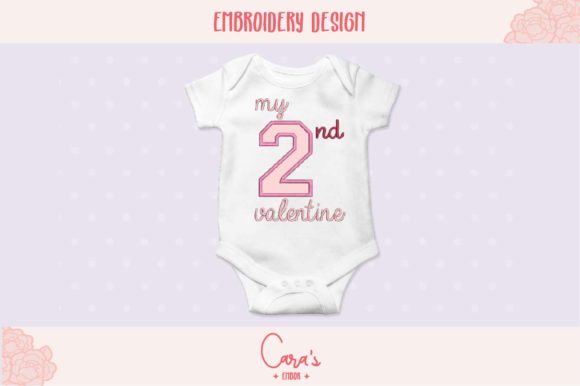
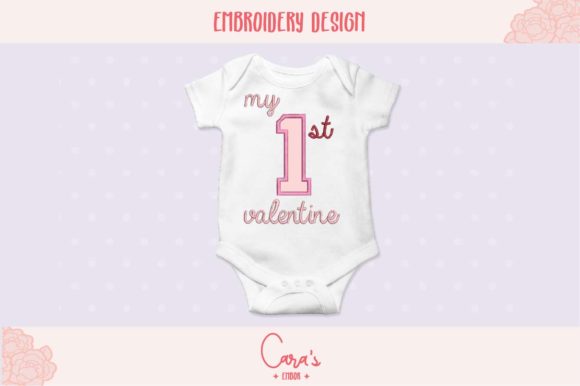
Opening the Creative Fabrica embroidery file, I immediately noticed the seasonal mood. The design carries a playful, tender emotional tone that feels both nostalgic and sweet. It is not overly detailed or complex, which makes it approachable for a wide range of stitchers. The decorative style leans toward cute and romantic, with a soft, cozy vibe that fits Valentine's Day perfectly. The applique nature of the design means it uses layered fabric pieces, giving the finished product a tactile, dimensional feel. This is ideal for items meant to be gift-worthy and cherished.
The emotional appeal of My First Valentine Applique is clear: it evokes feelings of love, care, and celebration. For a holiday product, this emotional connection is vital. Buyers are often looking for something that feels personal and heartfelt. The design does not feel overly commercial or generic. It has a handmade character that resonates with customers who value unique, personalized gifts. The detail level is moderate, which means it stitches out cleanly without excessive density. This is a good sign for those new to machine embroidery or for those planning to produce multiple items quickly.
Real Holiday Selling Situations
When I consider adding My First Valentine Applique to my seasonal product collection, I think about how it will perform in real selling environments. For Etsy seller listings, this design works well on sweatshirts, tote bags, and kitchen towels. These are classic items that sell consistently during Valentine's Day. The applique style adds a premium touch that justifies a higher price point. I can imagine creating gift bundles with a matching tote and towel, or offering a set of matching onesies for siblings. The design is versatile enough to scale across apparel and home decor.
For craft fair displays, this design stands out because of its texture. Shoppers are drawn to the layered fabric look. I would recommend stitching My First Valentine Applique onto pillow covers, aprons, or small baby items. The cute, festive style makes it a natural choice for family matching items. Parents love coordinating outfits for their little ones, and this design fits that niche perfectly. Limited edition apparel is another strong application. A seasonal release of Valentine's Day sweatshirts with this design could generate excitement and urgency among buyers.
Social media previews are essential for driving sales. The design photographs well, especially when paired with coordinated thread colors and fabric textures. I always create printable mockup images showing the finished product on different items. This helps customers visualize the design in their own projects. For commercial embroidery use, I check the license terms carefully. The Creative Fabrica product page notes that this is a digital embroidery file, not a physical item. Before selling finished products, I verify the licensing details to ensure I comply with the terms.
Where to Use This Design Carefully
Not every project is ideal for My First Valentine Applique. I have tested similar designs and found a few areas that require caution. Small hoop sizes can be challenging if the design has small elements. Tiny lettering or narrow details may not stitch cleanly in a 4x4 hoop. I recommend using at least a 5x7 hoop for this design to maintain the applique proportions. Stitch density is another consideration. Applique designs typically have lower density than filled designs, but the satin stitch edges can become dense if the shapes are too intricate. I always test on scrap fabric first.
Fabric texture matters. Thick towels can cause registration issues with the applique layers. The fabric may not feed evenly, leading to misaligned pieces. I use a cutaway stabilizer and a temporary spray adhesive to keep everything in place. Dark fabric requires careful thread color selection. I test light thread colors on dark backgrounds to ensure the design pops. Metallic thread can also be tricky with applique, as the layers add thickness. I avoid metallic thread for the satin stitch border and use a standard polyester thread instead.
Stretchy garments like t-shirts or onesies need extra stabilization. I use a tear-away stabilizer on top and a cutaway stabilizer underneath to prevent distortion. Curved caps are not ideal for this design unless the applique pieces are small and flexible. The cap frame can cause the fabric to pull, distorting the layers. For items that need repeated washing, such as kitchen towels or baby blankets, I recommend pre-washing the fabric and using a high-quality thread that resists fading. The applique edges should be dense enough to prevent fraying over time.
Seasonal Appeal and Buyer Emotion
Valentine's Day is a holiday driven by emotion. Buyers want to express love, affection, and appreciation. My First Valentine Applique taps into that sentiment directly. The design feels giftable and personal. When customers see a finished product, they imagine giving it to someone they care about. This emotional connection increases the perceived value of the item. I have found that designs with a strong emotional tone sell better than generic ones. The playfulness of this applique reduces the pressure of a formal gift, making it suitable for children, friends, and family members.
Product value is enhanced by the handmade appeal. In a world of mass-produced items, a machine-embroidered product feels special. Personalized gift options are easy to add with this design. I can stitch a name or monogram near the applique, or use contrasting thread colors to match the recipient's preferences. Customer trust grows when the finished product looks professional and durable. I always include care instructions and a note about the handmade nature of the item. This transparency builds loyalty and repeat business.
Visual recognition is important for holiday collections. The design is distinct enough to stand out in a crowded market. When I display it in my Etsy shop, I use lifestyle photos that show the item in use. A sweatshirt on a child, a tote bag on a mother's arm, or a pillow on a couch. These images help customers imagine the product in their own lives. Brand consistency is maintained by using similar color palettes and styling across all my Valentine's Day items. This design fits well with a pink, red, and white theme, but I also test it with softer pastels for a more modern look.
Practical Embroidery Designer Notes
After working with My First Valentine Applique, I have a few practical notes for anyone planning to use this file. First, test thread colors on both light and dark fabric before committing to a production run. The design may look different on white cotton versus a dark heather grey. I always stitch a sample and photograph it in natural light to see how the colors interact. Second, check stitch density by running the file through my embroidery software. I look for areas where the satin stitch may be too tight, causing the fabric to pucker. If needed, I adjust the density slightly or use a smaller needle.
Hoop size is critical. The product description says it includes one design, but does not specify the exact dimensions. I always measure the design in my software and choose a hoop that leaves at least 1 inch of clearance on all sides. This prevents the fabric from shifting during stitching. Stabilizer choice depends on the fabric. For woven fabrics like cotton or linen, I use a cutaway stabilizer. For knits, I combine a cutaway with a tear-away topping to prevent the stitches from sinking. I also use a temporary adhesive spray to hold the fabric layers in place during the applique process.
Creating realistic mockups is essential for selling. I photograph my finished sample on a model or flat lay, then use those images in my listings. I also create digital mockups using a printable mockup template that shows the design on different products. This saves time and allows me to test variations without stitching every combination. I recommend reviewing small details after stitching. Look for gaps in the satin stitch, uneven fabric alignment, or loose threads. These issues can be fixed before production.
Finally, always check the Creative Fabrica product details and licensing before selling finished products. The listing says this is a digital embroidery file, and I assume the license allows commercial use, but I confirm it directly. This step protects my business and ensures I am using the design legally. I also check the file format to ensure compatibility with my machine. Most Creative Fabrica embroidery files come in multiple formats, but I always verify before purchasing.
Final Thoughts on Adding My First Valentine Applique to Your Collection
After reviewing My First Valentine Applique, I am confident it is a strong addition to any seasonal product collection. The design's emotional tone, playfulness, and versatility make it suitable for a wide range of Valentine's Day items. Whether you are an Etsy seller looking for a new bestseller, a small shop product creator building a holiday line, or a handmade gift maker preparing for family celebrations, this design delivers. The applique technique adds a premium feel that customers notice and appreciate. With proper testing, stabilization, and presentation, this design can become a reliable piece in your seasonal lineup. I recommend pairing it with coordinating thread colors, quality fabrics, and thoughtful packaging to maximize its appeal. My First Valentine Applique is a practical, heartfelt choice for anyone creating holiday embroidery products.