Travel Embroidery Design: A Craft Fair Seller's Review
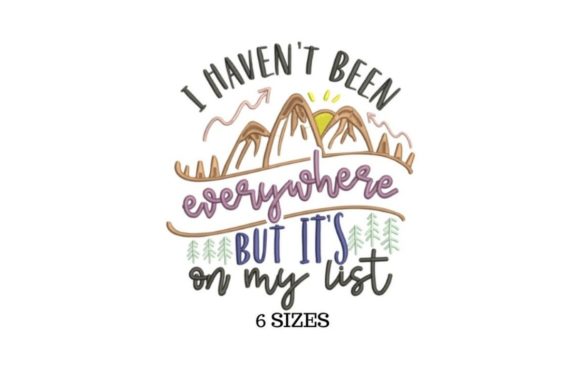
As an embroidery designer who has spent countless weekends behind a craft fair booth, I know the difference between a design that sits in a bin and one that walks out the door in a customer's hand. When I first opened the Travel machine embroidery design, I immediately recognized its potential for the handmade market. This is not a generic quote dropped into a hoop. It carries a sense of wanderlust and personal style that resonates with buyers browsing for gifts, home decor, or a little everyday inspiration. Let me walk you through what works, what to watch for, and how to turn this digital embroidery file into a profitable finished product for your next craft fair.
First Impressions: The Mood and Style of Travel
The Travel design strikes a balance between modern and approachable. It feels neither too rustic nor overly polished, which gives it flexibility across a range of handmade products. The lettering and layout suggest a clean, readable style that customers can understand at a single glance. That instant comprehension is critical in a busy booth where shoppers scan tables quickly. The design carries a subtle premium feel without being fussy. It fits naturally into the Travel Quotes category, but it does not lean on clichés. Instead, it offers a stylish, personalized look that works for both gift buyers and people treating themselves.
From a designer's perspective, the spacing and proportions appear well-considered. Nothing feels cramped or overly stretched. The overall shape suggests it could serve as either a focal element on a tote bag or a subtle accent on a smaller item. That versatility is a major advantage when you are planning your booth inventory and want to maximize the return on a single embroidery file.
How Travel Performs on Common Craft Fair Products
I mentally test every design against the products I know sell. Here is how Travel holds up across the most popular handmade categories.
Tote Bags and Market Bags
This is where Travel shines brightest. A sturdy canvas tote bag embroidered with this design becomes an instant conversation piece. Customers who love travel or need a gift for a frequent flyer will pick it up immediately. The design reads well at a medium hoop size, and the clean lettering holds its clarity even after repeated use. I recommend testing it on a scrap piece of similar fabric first to confirm the stitch density works with your chosen stabilizer. For a tote bag design, Travel delivers strong visual appeal and a handmade quality that feels intentional, not slapped on.
Apron Embroidery
Aprons sell well at craft fairs, especially when they carry a design that feels personal. Travel on an apron adds a touch of personality without overwhelming the garment. The placement matters here. I would position it on the chest or the front pocket area. The design's proportions fit nicely in that space. Customers browsing for cooking or gardening gifts often appreciate a subtle quote that reflects their lifestyle. Apron embroidery with Travel feels like a natural match.
Tea Towel Embroidery
Tea towels are a staple for many Etsy sellers and booth vendors because they are affordable, easy to produce in batches, and appeal to a wide audience. Travel stitches onto a tea towel with good results, but you need to pay attention to fabric texture. Linen or cotton blends with a tight weave work best. The design should be scaled to fit the towel width without crowding the edges. A well-placed tea towel embroidery featuring Travel makes a wonderful small gift item that customers buy in multiples.
Embroidered Patches
Patches are a low-cost, high-margin product that lets you test a design without committing to a full run of larger items. Travel as an embroidered patch works well because the lettering remains readable at a moderate size. Patches appeal to younger buyers and anyone looking to personalize jackets, backpacks, or denim. I would produce a few patches as booth samples to gauge interest. If they sell quickly, you know the design has legs for larger products.
Caps and Hats
Curved surfaces always present a challenge. Travel on a cap requires careful hooping and a stable hoop size that matches the design dimensions. The design should not be too wide or the edges will distort on the curve. If you test it and find the lettering stays crisp, this could be a strong addition to your cap lineup. Many customers buy caps as practical, everyday items, and a travel-themed design gives them a reason to choose yours over a blank one.
Fabric Pouches and Small Pouches
Small pouches are excellent for using leftover hoopings and testing new designs. Travel on a small pouch works best when scaled down carefully. You need to verify that the thread colors and lettering remain legible at a reduced size. If the design includes thin elements or small details, they may lose clarity. Test a scaled version on scrap fabric before committing to a batch. A well-executed pouch with Travel feels like a premium handmade gift.
Pillow Covers
Pillow covers invite customers to imagine the design in their home. Travel on a pillow cover adds a decorative, personal touch to a living room or bedroom. The design should be centered and sized to leave a balanced border. This product works well for booth displays because you can stack a few pillows in different fabric colors. The visual appeal of a pillow with a meaningful quote often stops shoppers mid-stride.
Selling and Production Points for Travel
When you are planning your booth, every design must earn its place in your inventory. Here is what I consider before committing Travel to batch production.
Readability at a Glance
Customers do not study your booth. They scan it. Travel passes the glance test. The design is easy to read from a few feet away, which means it will catch attention even in a crowded market. That instant recognition is a strong selling point for craft fair product planning.
Focal or Accent Design
This design can serve as either a main focal point or a subtle accent, depending on the product and placement. On a tote bag, it becomes the center of attention. On a cap or pouch, it works as a tasteful detail. This dual nature means you can produce a range of items from a single digital embroidery file without the design feeling repetitive.
Photography for Online Listings
If you sell on Etsy or through your own shop, Travel photographs well. The clean layout and balanced spacing make it easy to capture in good light. I recommend creating a printable mockup or a real product photo that shows the design on a neutral background. A strong photo helps customers visualize the finished product in their own hands. Good photography also supports your design assets when you are building your brand presence online.
Batch Production Feasibility
For a design to be profitable, it must be repeatable. Travel does not appear to have excessive stitch density or complicated color changes that would slow down production. I would run a test batch of five to ten items to confirm consistent quality. If the results hold up, you can confidently produce larger quantities for your booth. Batch production is where small shops turn a profit, and Travel seems built for that rhythm.
Careful-Use Notes Before You Stitch
No design is perfect for every situation. Here are the specific points I flagged when reviewing Travel.
Dense stitch areas: If the design includes any filled letters or heavy elements, the stitch density may cause puckering on lightweight fabrics. Test on a scrap piece first. Adjust your stabilizer choice accordingly. A tear-away stabilizer works for stable fabrics, but a cut-away stabilizer may be necessary for knits or stretchy materials.
Tiny details and small lettering: If Travel includes thin serifs or very small text, those details may blur when scaled down for small pouches or caps. I recommend testing the design at your intended size before stitching a batch. If the details hold, proceed. If they lose clarity, consider using the design only at larger sizes where the lettering stays sharp.
Thick fabric and textured towels: Heavy fabrics like thick canvas or terry cloth can absorb stitch definition. The design may appear less crisp on textured surfaces. Use a sharp needle and a medium-weight stabilizer to maintain clarity. A test stitch on the actual fabric you plan to use is non-negotiable.
Curved cap surfaces: As mentioned, caps require special attention. The design should not be too wide or the edges will distort. Use a cap hoop if available, and test the design on a practice cap before offering it for sale.
Dark fabric: If you stitch Travel on dark fabric, ensure the thread colors provide enough contrast. Light or bright thread colors work best. A low-contrast combination may make the design hard to read, which defeats its purpose. Check your thread against the fabric in natural light before stitching.
Visual Appeal and Customer Engagement
In a craft fair booth, you have seconds to capture a shopper's attention. Travel draws the eye because it feels personal and aspirational. Customers who love travel, adventure, or exploring will stop to read it. Once they stop, you have a chance to connect. The design's stylish, personalized look adds perceived value to any handmade product. A simple tote bag feels like a statement piece when it carries this design. A tea towel becomes a gift with meaning.
The design also supports brand consistency. If you sell a range of travel-themed items, Travel can anchor your booth display. Group it with complementary products like maps, luggage tags, or destination-themed accessories. A cohesive display builds trust and encourages multiple purchases. Customers appreciate a booth that feels curated, not random.
Practical Embroidery Designer Notes
Before you start stitching products for your next craft fair, take these steps to ensure quality and profitability.
- Test the design on scrap fabric. Use the same fabric type you plan to sell. Check for puckering, thread breaks, and registration issues. Do not skip this step.
- Check thread contrast. Hold your thread colors against the fabric in natural light and booth lighting. Make sure the design is easy to read.
- Review spacing and proportions. Confirm that the design fits your intended product without crowding the edges. Leave enough margin for hooping and finishing.
- Confirm hoop size. Verify that the hoop size required for Travel matches your equipment. If you need a larger hoop, plan accordingly.
- Inspect stitch density. Run a test stitch and examine the fabric for distortion. Adjust stabilizer weight if needed. A design that looks good on screen may behave differently on fabric.
- Use the right stabilizer. Match the stabilizer to your fabric. Cut-away for knits, tear-away for wovens, and water-soluble for towels or delicate items.
- Create at least one real mockup. Stitch a finished product and photograph it. Use that photo for your Etsy seller listings, social media, and booth signage.
- Compare fabric colors. Offer the design on at least two or three fabric colors to appeal to different tastes. Neutral tones and one bold option often work well.
- Confirm commercial licensing. Before selling any finished product, verify that the commercial embroidery license allows you to sell items made from this machine embroidery design. Do not assume. Check the terms.
These steps may seem basic, but they are the difference between a smooth production run and a booth full of flawed items. Travel is a strong design, but it performs best when you give it the preparation it deserves.
Final Thoughts for the Handmade Seller
Travel is a versatile, market-ready machine embroidery design that fits the needs of craft fair product lines, handmade product shops, and Etsy seller inventories. Its clean style, broad product compatibility, and strong visual appeal make it a solid addition to your design assets. Whether you are stitching tote bag design samples, testing apron embroidery, or building a batch of tea towel embroidery for your booth, this design delivers.
I recommend adding Travel to your production queue, testing it on your favorite fabric bases, and watching how customers respond at your next show. A well-stitched, well-presented design like this one does not just sell a product. It sells a feeling. And in the handmade market, that is everything.