Otomi Machine Embroidery: A Craft Fair Powerhouse
As someone who spends more weekends than I care to count hunched over a multi-needle machine or standing behind a craft fair booth, I’ve developed a sharp eye for what sells and what just sits. When I first opened the Otomi machine embroidery design, I knew immediately it had serious potential. The name itself hints at a rich cultural heritage rooted in Mexico, and the description promises a "lively and beautiful" addition to any project. Let’s break down exactly how this digital embroidery file performs in the real world of weekend markets and Etsy shops.
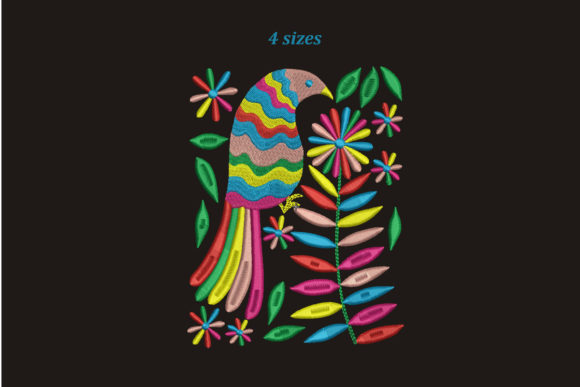
The Otomi design is not shy. It draws immediate inspiration from vibrant, folk-art traditions, characterized by bold outlines, symmetrical motifs, and an explosion of life. This isn't a minimalist accent; it's a statement piece. And in my experience selling handmade products, statement pieces are exactly what catch a wandering customer's eye from across a crowded vendor hall.
Why Otomi Stops Traffic at a Craft Fair
The first thing I look for in a craft fair product is stopping power. Your booth is competing with dozens of other vendors. Otomi has it. The intricate patterns read as tactile and premium. Customers associate this style with high-quality, artisan goods that feel culturally rich. When stitched correctly, the stitch density gives it a textured, almost woven feel that begs to be touched. This is a design that invites conversation, which is the first step to a sale.
For the embroidery business owner, this design offers a distinct aesthetic that stands out from the typical floral or monogram motifs. It feels festive, decorative, and premium. It signals to the customer that this is not a mass-produced item, but a carefully crafted piece of commercial embroidery with a story. That story, tied to the artistry of Mexico, adds perceived value that allows you to price your finished product higher.
Matching Otomi to the Right Blank Products
Choosing the right substrate is critical for maximizing sales. Here is how Otomi performs on the most common small shop product categories.
Tote Bags and Market Bags
Let’s start with the workhorse of the booth: the tote bag. A large Otomi design centered on a cotton canvas tote bag design is a knockout. It transforms a simple blank into a premium, boutique item. The bold nature of the design means it doesn't get lost in the folds of the bag. I recommend placing it high enough to be visible when the bag is carried. This is a $25 to $35 handmade product all day long.
Aprons and Tea Towels
For apron embroidery or tea towel embroidery, Otomi is a natural fit. The kitchen is a space where people want warmth and personality. A beautiful tea towel with an Otomi motif feels like a giftable item, not just a utility cloth. These are perfect for impulse buys at a lower price point. Be mindful of the fabric texture of tea towels; they are often loosely woven, so a dense design will require a stable hooping and a quality stabilizer to prevent puckering.
Pillow Covers and Fabric Pouches
Pillow covers and fabric pouches are another excellent application for home decor. A throw pillow featuring Otomi becomes a conversation starter in a living room. For craft fair products, consider a zippered pouch or cosmetic bag. The vibrant thread colors pop beautifully against natural linen or cotton. These smaller items are great for customers who love the aesthetic but are budget-conscious.
Embroidered Patches and Caps
For a lower price point, embroidered patches are a fantastic way to use this design. Customers who love the look but aren't ready to commit to a large home decor piece can take home a patch. Stitching Otomi on a cap is trickier due to the curve and density. You absolutely need a stable cap frame and a dense design that won't distort. The results, however, are a wearable piece of art that serves as a walking advertisement for your brand.
Production Reality: Density, Scaling, and Fabric Choices
This is where I put on my technical hat. The Otomi design is likely dense. It relies on intricate fills and satin stitches to achieve that vibrant folk-art look. High stitch density means you absolutely must use the right stabilizer. For medium to heavy weight fabrics like canvas, denim, or twill, a tear-away stabilizer might work. For lighter fabrics or high-pile items, a cut-away stabilizer is non-negotiable to prevent puckering over time.
Check your hoop size before you buy. The description doesn't specify exact dimensions, so you'll need to open the embroidery file in your software and inspect the design. A large, all-encompassing motif is a showstopper, but it requires a large hoop. If you are working with a smaller hoop, see if the design comes in multiple sizes or if you can use a smaller element from the design for projects like caps or patches.
Thread colors are another critical factor. The beauty of Otomi comes from contrast. Don't be afraid to deviate from the default color palette. A bright, festive thread on a dark background—like deep indigo or black—creates incredible visual pop. Alternatively, using all neutrals on a bright background creates a more modern, subtle look that appeals to a different demographic. Always test the contrast on your actual fabric before committing to a batch of craft fair products.
Photography, Mockups, and Your Online Shop
An Etsy seller or small shop owner needs great visuals. The good news is that Otomi photographs beautifully. The texture and detail read well on camera, especially when photographed in natural light. I recommend creating at least one real, physical mockup. A finished product photo is infinitely better than a digital mockup for conveying the tactile quality of the machine embroidery design.
However, digital printable mockup files are great for your Etsy listing variations. Use them to show the design on different colored tote bags or aprons without having to stitch every single combination. For your craft fair booth, display the finished product draped over a nice basket or leaning against a wooden sign. The handmade, tactile quality is the main selling point. Make sure your design assets are organized so you can easily swap out mockups for seasonal shows.
The Designer’s Checklist: Before You Digitize and Stitch
Before you turn this digital embroidery file into cash, run through this practical checklist. These steps separate a professional embroidery business owner from a hobbyist.
- Test Stitch is Mandatory: Always, always test the design on a scrap of your actual fabric. Look for gaps, push/pull effects, and thread breaks. Adjust your tension if needed.
- Confirm Licensing: The description says it comes with multiple embroidery file formats. Verify the commercial license terms before selling finished products. Some designers restrict usage, while others have open licenses for commercial embroidery.
- Match Your Stabilizer: As mentioned, match your stabilizer to your fabric texture and design density. A bad stabilizer choice can ruin an otherwise perfect design and lead to returns or refunds.
- Inspect the Files: Open the design in your digitizing software. Check the stitch count, jump stitches, and color changes. Understanding the technical makeup helps you budget your time, thread, and pricing.
- Consider Batch Production: Can you stitch this design quickly and repeatedly? If it has too many color changes, it might slow down your production line. For a craft fair product, you want to be able to produce 10 to 20 units efficiently.
Final Verdict for the Creative Entrepreneur
Otomi is a strong addition to any library of design assets, especially for sellers targeting the handmade product market. It offers a distinct aesthetic that is currently very popular and stands out in a sea of generic embroidery. It allows you to create a range of items, from high-ticket home decor to affordable, giftable items like patches and tea towels.
The key to success with this design is execution. Because it is visually complex, any imperfections in your hooping, tension, or stabilizer choice will be obvious. But if you take the time to master the technical aspects, this design will absolutely help you build a cohesive, attractive brand identity. For my next show, I will definitely have a few Otomi pieces front and center on my table. It is a design that respects the art of embroidery and rewards the seller who takes the time to do it right.